- +91 81416 55955
- dryharwani@gmail.com
- Monday - Saturday 09:00AM to 08:00PM

Introduction
Gastroesophageal reflux disease (GERD) has traditionally been regarded as a disorder predominantly affecting Western populations; however, contemporary epidemiological evidence indicates that GERD represents a substantial and growing health burden in India. Rapid urbanization, dietary transitions, rising obesity, and lifestyle factors such as tobacco use have contributed to an increasing prevalence of reflux symptoms across both urban and rural populations.
Methods
A literature search was conducted in PubMed, Embase, and Google Scholar up to 2025 using terms related to GERD and endoscopic therapies (e.g., antireflux mucosectomy [ARMS], antireflux mucosal ablation [ARMA], Stretta, TIF, GERDx, India). Randomized trials, observational studies, reviews, and guidelines reporting clinical outcomes were included; small case series and non-English studies were generally excluded.
Data were extracted on study design, interventions, outcomes, and safety, and synthesized narratively based on mechanism (neuromodulation, mechanical, mucosal, hybrid) with emphasis on relevance to Indian practice.
Current Standard of Care in India
Pathophysiologic Basis for Endoscopic Antireflux Therapy
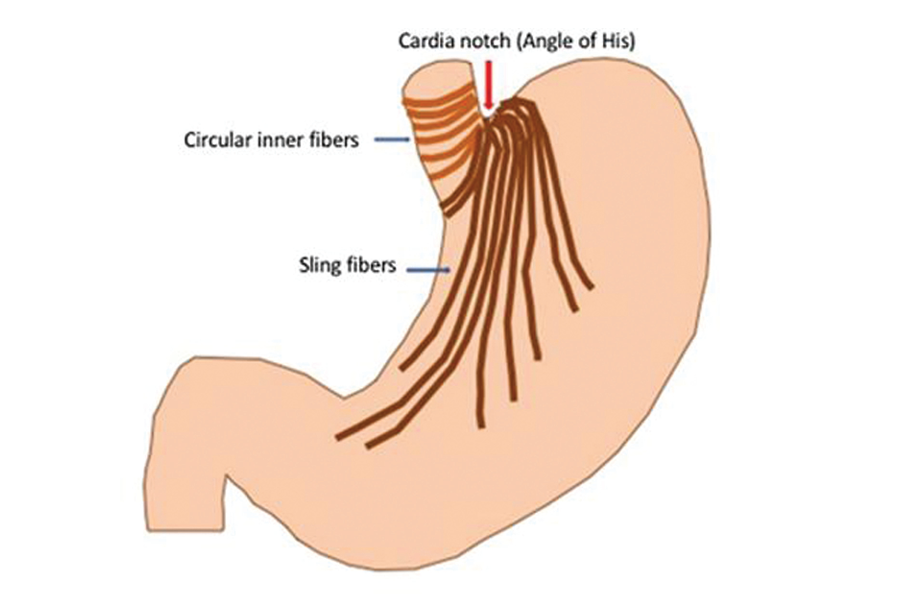
GERD results from a combination of functional and structural abnormalities at the gastroesophageal junction (GEJ), including impaired lower esophageal sphincter (LES) competence, increased GEJ distensibility, transient LES relaxations, hiatal hernia, and disruption of the gastroesophageal flap valve.
Medical therapy, particularly PPIs, effectively suppresses gastric acid but does not correct the underlying mechanical defect. Endoscopic antireflux therapies are therefore best suited for carefully selected patients with preserved anatomy and predominantly functional GEJ dysfunction.
In contrast, surgical fundoplication remains the preferred approach for patients with large hiatal hernias or significant structural disruption, as it directly repairs the hiatus and restores the antireflux barrier. Thus, improved characterization of GERD phenotypes has positioned endoscopic therapies as a minimally invasive option between long-term medical therapy and surgery.